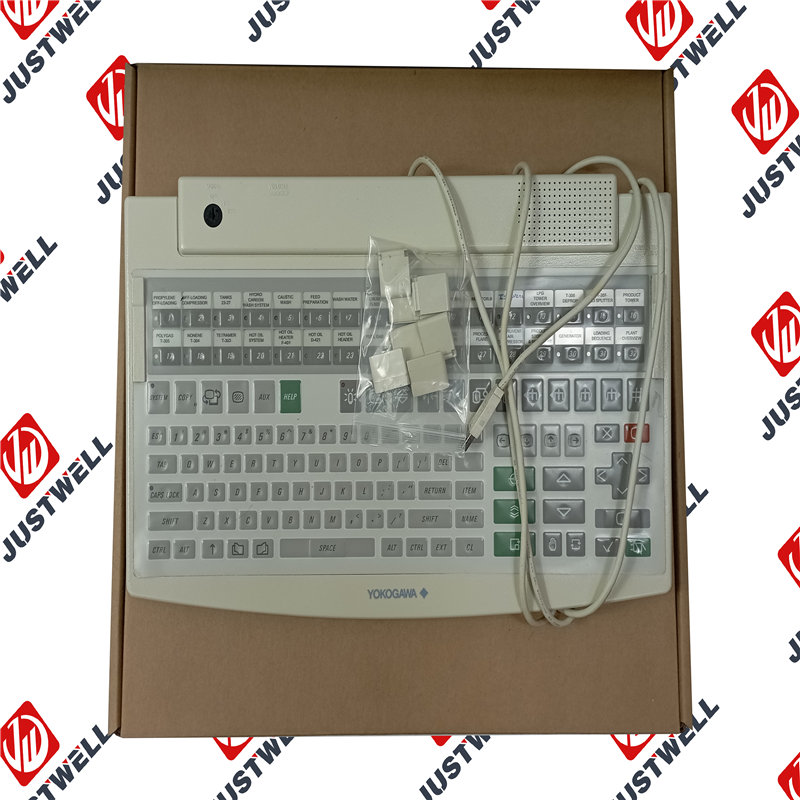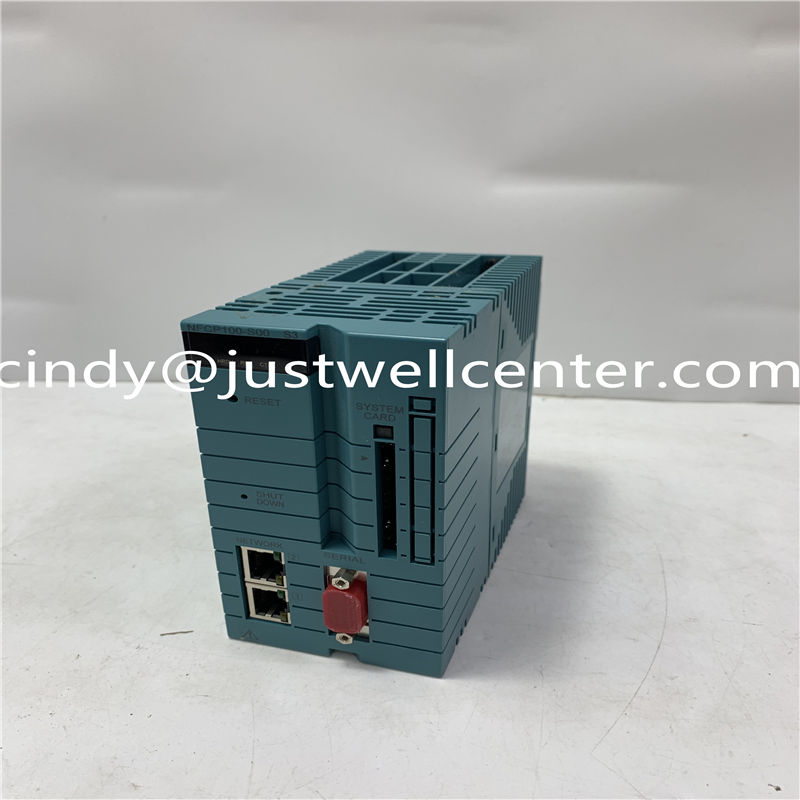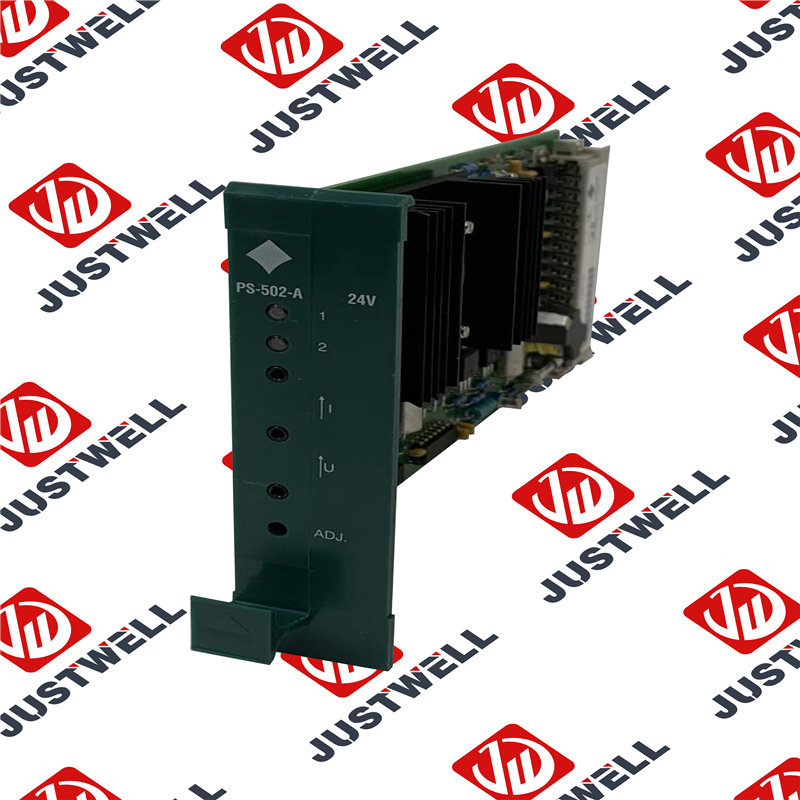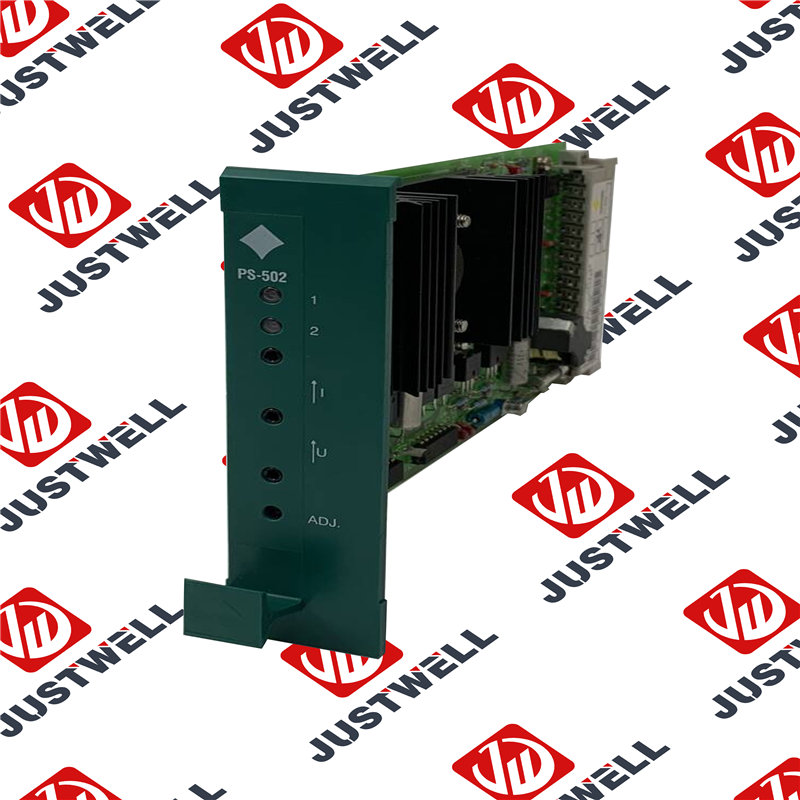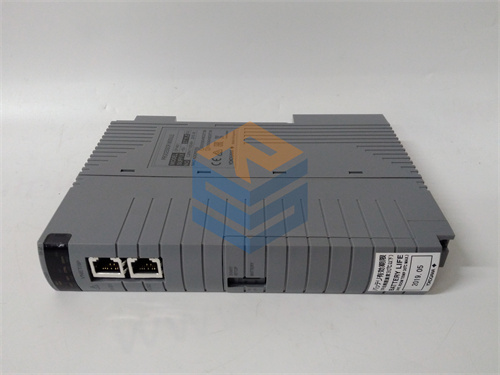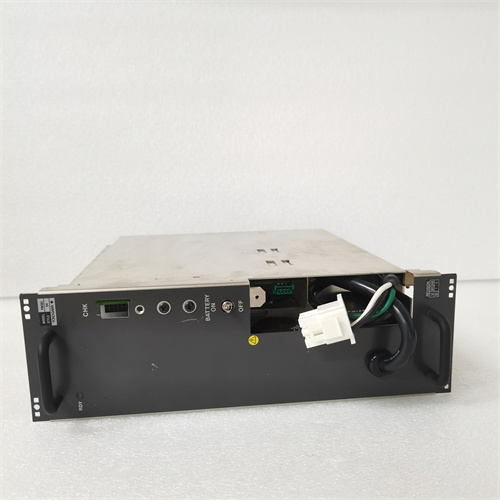

YOKOGAWA SDV144-S63 | SGS Digital Output Module | 16-Channel | 24V DC
$ 91.51
Ready to Ship
Last Updated: [10 January 2026]
Thank you for shopping at Shop QJS Ltd. At privehuislust.nl, we strive for 100% customer satisfaction and aim to deliver high-quality fine jewellery that meets your expectations. This Refund & Return Policy outlines your rights and responsibilities when returning items or requesting refunds.
- Eligibility for Returns
1.1 Standard Products:
- You may request a return or refund for eligible items within 30 days of the delivery date.
- To qualify, items must be unused, unworn, unaltered, undamaged, and returned in their original packaging with all certificates and tags intact.
- Please retain your proof of purchase.
1.2 Custom or Bespoke Jewellery:
- Custom-made or personalized jewellery created specifically for you cannot be returned or refunded because it is made to order.
- However, if a custom item does not fit, we offer one complimentary resizing within 15 days of delivery.
2. How to Initiate a Return
To start a return or refund request:
- Contact our Customer Support Team within the return period:
- Email: [email protected]
- Phone: +44-755-5589-664
- Provide:
- Your order number
- Reason for return
- Photos of the product (if damaged or incorrect)
Once your return request is approved, we will provide detailed return instructions including how and where to send the item.
3. Return Conditions
- Items must be shipped back in the original packaging with all accessories, warranty cards, certificates, and tags.
- Returned products that are used, altered, damaged, or missing parts will not be accepted and may be returned to you at your expense.
- Jewellery must be carefully packaged to prevent damage during transit.
4. Refunds
4.1 Processing Time:
- Approved refunds will be processed back to the original payment method within 7–14 business days of receiving the returned item.
- The time for the refunded amount to appear in your account may vary depending on your bank or payment provider.
4.2 Refund Amount:
- The refund will be for the purchase price of the item only.
- Shipping and handling charges are non-refundable unless the return is due to our error (e.g., defective or incorrect item).
4.3 Non-Refundable Items:
- Custom, bespoke, personalized, or engraved jewellery (except in case of manufacturing defect).
- Gifts, gift vouchers, or items marked “final sale”.
5. Exchanges
If you wish to exchange an item (e.g., for a different size or design), please indicate this in your return request.
Exchanges are subject to availability. If the desired item is out of stock, we will issue a refund following the above process.
6. Defective or Incorrect Items
If the item you received is defective, damaged, or not what you ordered:
- Notify us within 7 days of delivery with photos and a brief description.
- We will cover the cost of return shipping and offer a full refund or replacement at no extra cost.
7. Cancellation Before Dispatch
If you wish to cancel an order before it has been shipped, please contact us immediately. If the order is not yet dispatched, we will cancel and issue a full refund to your original payment method.
8. Contact Us
For any questions about returns, refunds, or exchanges, please contact our Customer Support:
 Email: [email protected] Phone: +44-755-5589-664 Hours: Monday – Friday, 09:00 – 20:00 (UTC)
Description Key Technical Specifications Parameter Specification Part Number SDV144-S63 Product Type Digital Output Module Output Channels 16 channels Output Type 24V DC, sink or source (configurable via common wiring) Output Current 0.1 A per channel typical (verify with manual) Maximum Load Resistive load: 24W per channel at 24V (1A) – confirm derating Isolation Optically isolated between field and logic Common Configuration 8 channels per common (typical) Indicators LED per channel for output status External Power 24V DC ±10% (field supply) Internal Power 5V DC from backplane Mounting SGS I/O rack Termination Via dedicated terminal block (cable sold separately) Response Time < 2 ms typical Operating Temp 0°C to 50°C (32°F to 122°F) Storage Temp -20°C to 70°C (-4°F to 158°F) Humidity 10% to 90% non-condensing Certifications CE, UL, CSA (verify per manufacturing date) Product Introduction (Anti-Template) The YOKOGAWA SDV144-S63 is the digital output workhorse for Yokogawa’s SGS I/O system—the stuff that turns your DCS logic into real-world action. Sixteen channels of 24V DC, optically isolated, with enough grunt to drive most interposing relays or small solenoids directly. The “-S63” suffix? That’s Yokogawa’s way of encoding options: likely the standard model with screw termination compatibility, but you’ll need the mating cable and terminal block (like the SCN144 or similar) to land field wires. It’s used across Centum VP, CS 3000, and older Centum systems—basically anywhere Yokogawa deployed SGS remote I/O. One quirk: the common configuration. Typically, these are arranged as two groups of eight with separate commons. If your loads are all on the same potential, fine. If you’re mixing voltages or need isolation between groups, wire accordingly. And don’t assume the outputs are short-circuit protected—most aren’t. Fuse your field circuits externally. Installation & Configuration Guide This is an SGS I/O module. It mounts in a dedicated rack and connects to field wiring via a cable to a termination panel. Phase 1: Pre-Installation: ⚠️ Isolate both the 24V field supply and the rack power. Two sources, two lockouts. Tools: Small flathead for module latch, multimeter, ESD strap. Critical: Identify the slot where the SDV144-S63 will reside. SGS racks are addressed by slot position; swapping slots changes I/O mapping. Document the cable connection between the module and the termination panel (TB). If replacing an old module, photograph the cable routing and TB wiring. Phase 2: Removal: Locate the module in the SGS rack. Press the release latch at the top or bottom (Yokogawa uses an orange lever typically). Pull the module straight out from the rack. It disconnects from the backplane. Inspect the backplane connector pins for corrosion or damage. Clean if necessary. Leave the cable connected to the TB undisturbed. Phase 3: Installation: ESD strap on. Align the new YOKOGAWA SDV144-S63 with the card guides in the same slot. Slide it in until the backplane connector seats and the latch clicks. Tug gently to verify it’s locked. CRITICAL: No jumpers on the module itself—configuration is in software. However, the TB wiring determines sink vs source. Verify the TB common wiring matches your field devices. If you’re switching 24V loads, the common is typically 24V for sourcing outputs, or 0V for sinking. Incorrect common wiring = no output or blown fuse. Phase 4: Power-On & Testing: Re-energize the 24V field supply first, then the rack power. Observe the front-panel LEDs. Power LED (green) should light. No fault LEDs. Access the Yokogawa DCS engineering station (CENTUM VP or CS 3000). Navigate to the I/O module status screen. Verify the SDV144-S63 is recognized and shows “Normal”. Test each channel by forcing the output on/off from the software. Verify the field device responds. For inductive loads, check for excessive voltage spikes on an oscilloscope if you suspect snubber issues. Frequently Asked Questions (FAQ) 1. What’s the difference between SDV144 and SDV144-S63? The base model is SDV144. The “-S63” suffix specifies options: typically the standard version with no special coatings or certifications. Yokogawa uses suffixes for things like: -S = Standard -L = Low temperature -C = Conformal coating 63 = Specific option combination (often termination type) In practice, SDV144-S63 is the most common flavor you’ll encounter. If you have a different suffix, verify compatibility with your system’s power supply and environment. 2. Can I mix sink and source outputs on the same module? Not on the same common group. The SDV144-S63 has two commons (typically pins 1-8 share COM1, 9-16 share COM2). Each common can be wired as either sink or source, but all eight channels on that common must be the same. If you need both sink and source outputs, assign them to different common groups and wire the TB accordingly. 3. What termination block do I need for the SDV144-S63? You need a Yokogawa terminal block designed for SGS digital output modules. Common mates are: SCN144 (screw terminal, 16-channel) SCN148 (crimp terminal) SCN14L (with LED indication) The module connects via a dedicated cable (e.g., AKB331 or similar). If you’re building a system from scratch, order the complete set: module cable TB. If you’re replacing a module, reuse the existing cable and TB. 4. The output LED lights, but the field device doesn’t operate. What’s wrong? Classic “LED lies” scenario. The LED indicates the module’s internal logic state, not that current is flowing to the load. Check: Field power: measure voltage at the TB terminals. 24V present? Common wiring: verify the common is correctly connected (sink vs source). Fuse: if your TB has fuses, check them. Load wiring: continuity from TB to device. Device coil: measure resistance—open coil = no operation. If all else fails, jumper the output manually at the TB to isolate module vs wiring. 5. Is the SDV144-S63 hot-swappable in a Centum system? Yes, with caution. The SGS I/O system supports online replacement (module exchange under power) as long as: The rack power and field supply remain energized. You’re not interrupting critical control loops during the swap. The new module is identical (same model and revision). When you insert the new SDV144-S63, the system will auto-recognize it and restore outputs to the state before removal (if configured for “hold last state” or “return to previous”). Test this in a non-critical rack first. 6. The module shows a “COMM ERR” in the DCS. What’s the fix? Communication error between the module and the bus interface. Steps: Reseat the module—sometimes the backplane connection is loose. Check the rack’s power supply; low voltage can cause communication glitches. Verify the bus terminator at the end of the SGS rack is present and functional. Swap with a known-good module in the same slot. If the error moves, the original module is bad. If it stays, the slot or backplane is suspect. Reboot the rack (if process allows). 7. Is the SDV144-S63 still in production? No, it’s legacy. Yokogawa has moved to newer I/O platforms (like the N-IO for CENTUM VP). The SDV144-S63 is in the “mature” phase—spare parts are available through surplus channels, but not manufactured new. If you’re expanding an existing system, buy spares now while they’re available. For new installations, Yokogawa will push you toward their current-generation I/O, which requires different racks and termination hardware. EMERSON 5A26147G10 EMERSON 5A26148G14 PLC EMERSON 5A26149G14 PLC EMERSON 5A26355G01 PLC EMERSON 5A26355G02 PLC EMERSON 5A26355G03 PLC Email: [email protected] Phone: 86 15340683922 Sales:Wu Jiedong Our products are guaranteed for 1 year, with new and original production stopped and imported spare parts. All prices listed on the official website are subject to confirmation by contact: Wu Jiedong (manager). Our product: brand new original packaging Our warranty: All new or repaired parts have a 12 month warranty period beginning Our payment: 100% telegraphic transfer of inventory items before shipment, conditions can be proposed! If you have any downtime spare parts that you cannot find, please feel free to call or use email to contact me. If there are issues that the product cannot solve, please contact me. Product prices can be negotiated. Please do not consider contacting me!